
Temporomandibular disorders (TMD), bruxism and sleep-related breathing disorders have a direct impact on comfort, function and quality of life. Our approach integrates functional diagnosis, personalised therapies and multidisciplinary care to restore balance, improve breathing and reduce muscle tension.
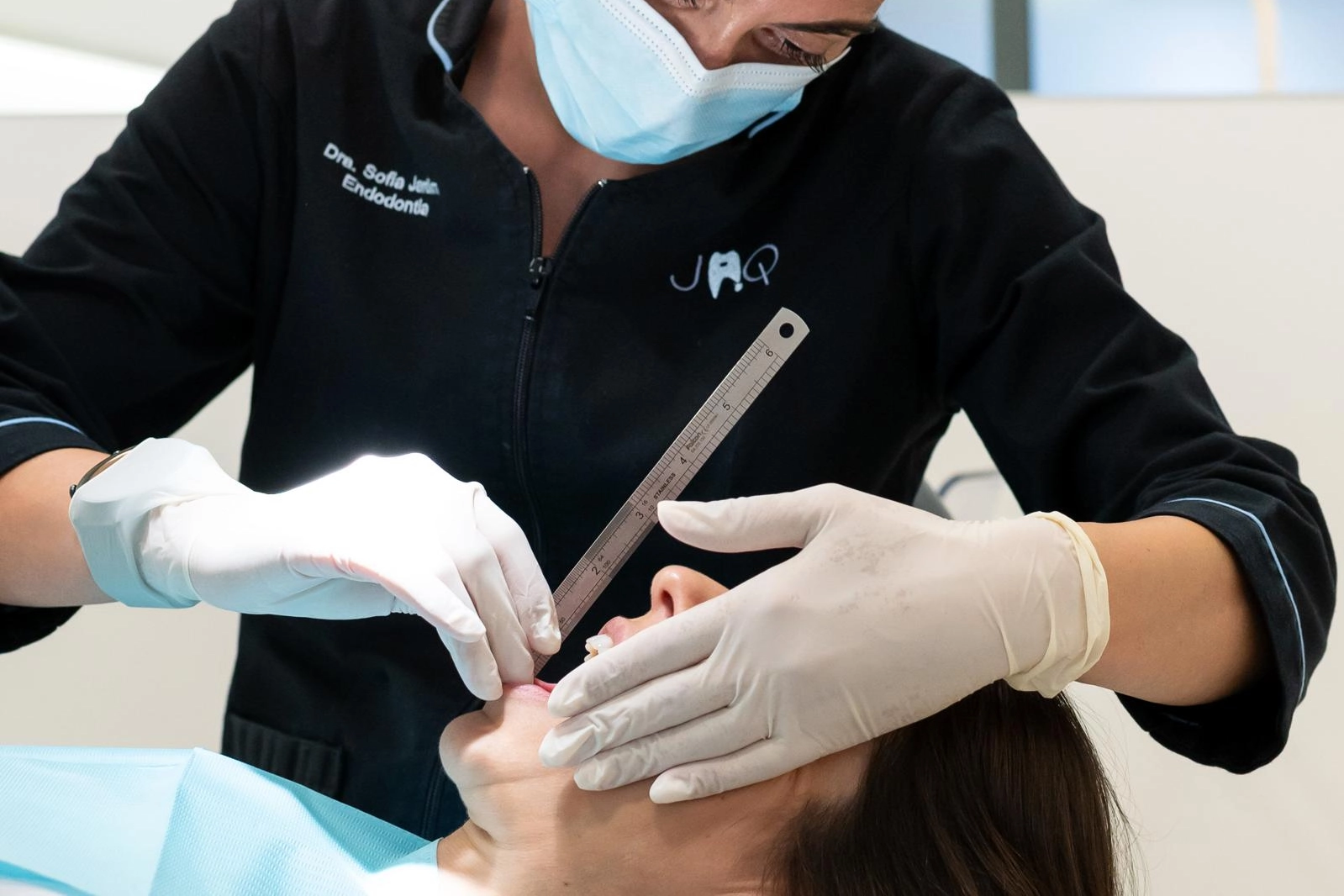
Dental Sleep Medicine and the TMD (Temporomandibular Disorders) field focus on assessing and treating conditions that affect breathing, jaw joints, musculature and movement patterns. These conditions may present as pain, joint clicking, limited mouth opening, bruxism, snoring or sleep apnoea — and require a comprehensive, integrated clinical assessment.
Our approach combines detailed functional evaluation, customised oral devices, craniofacial physiotherapy techniques and therapies focused on breathing and posture. The goal is to restore comfort, correct imbalances and promote stable, natural function — without pain.
How We Care in This Area
Conditions such as Temporomandibular Disorders (TMD), bruxism, snoring and sleep apnoea require accurate diagnosis and an approach tailored to each individual. Our care model combines technology, functional assessment and multidisciplinary therapies to restore balance, improve breathing and protect oral structures.
Interdisciplinary Care
Close collaboration with physiotherapy, dental sleep medicine and other medical specialties to ensure comprehensive and consistent outcomes.
Temporo-mandibular Disorders (TMD)
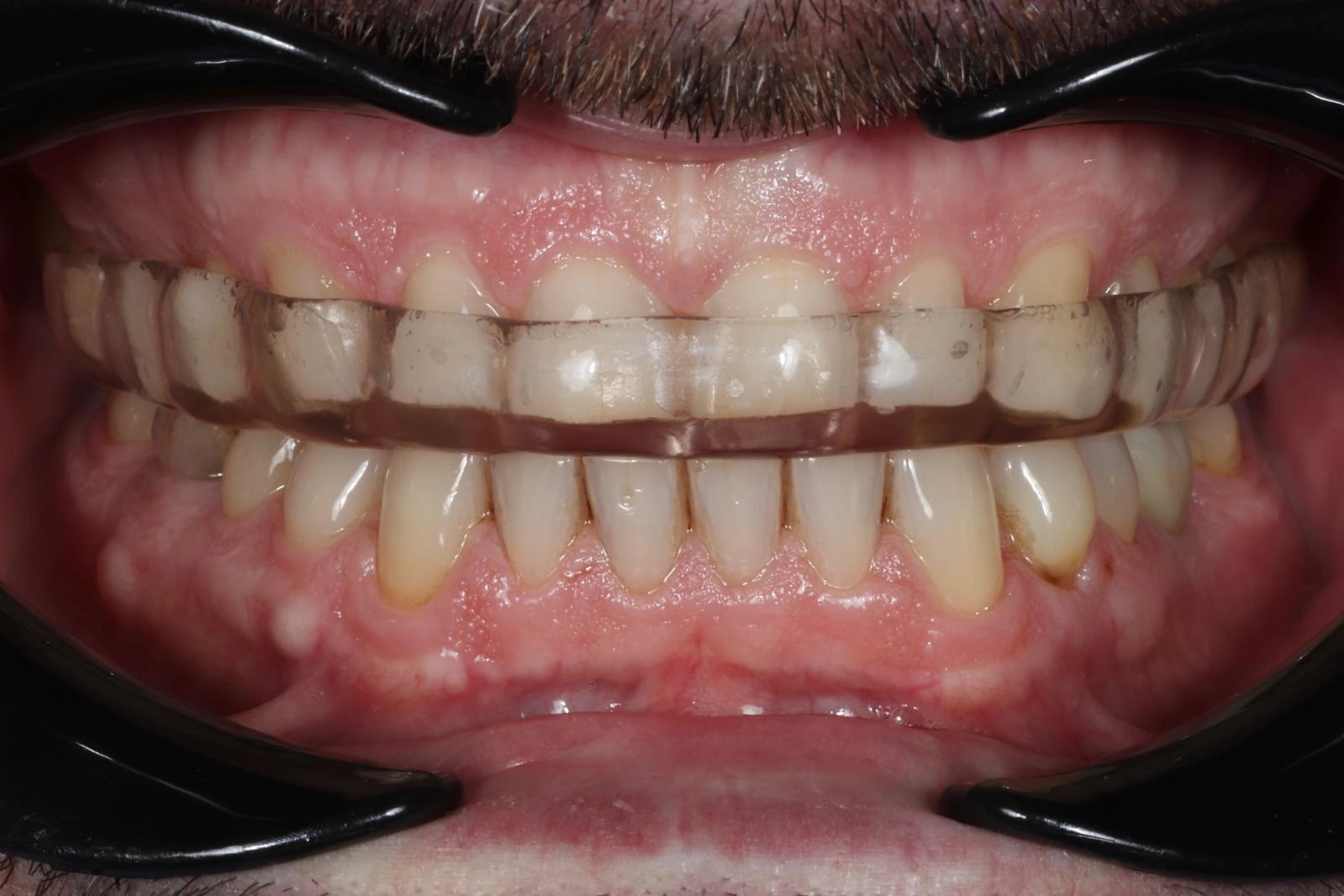
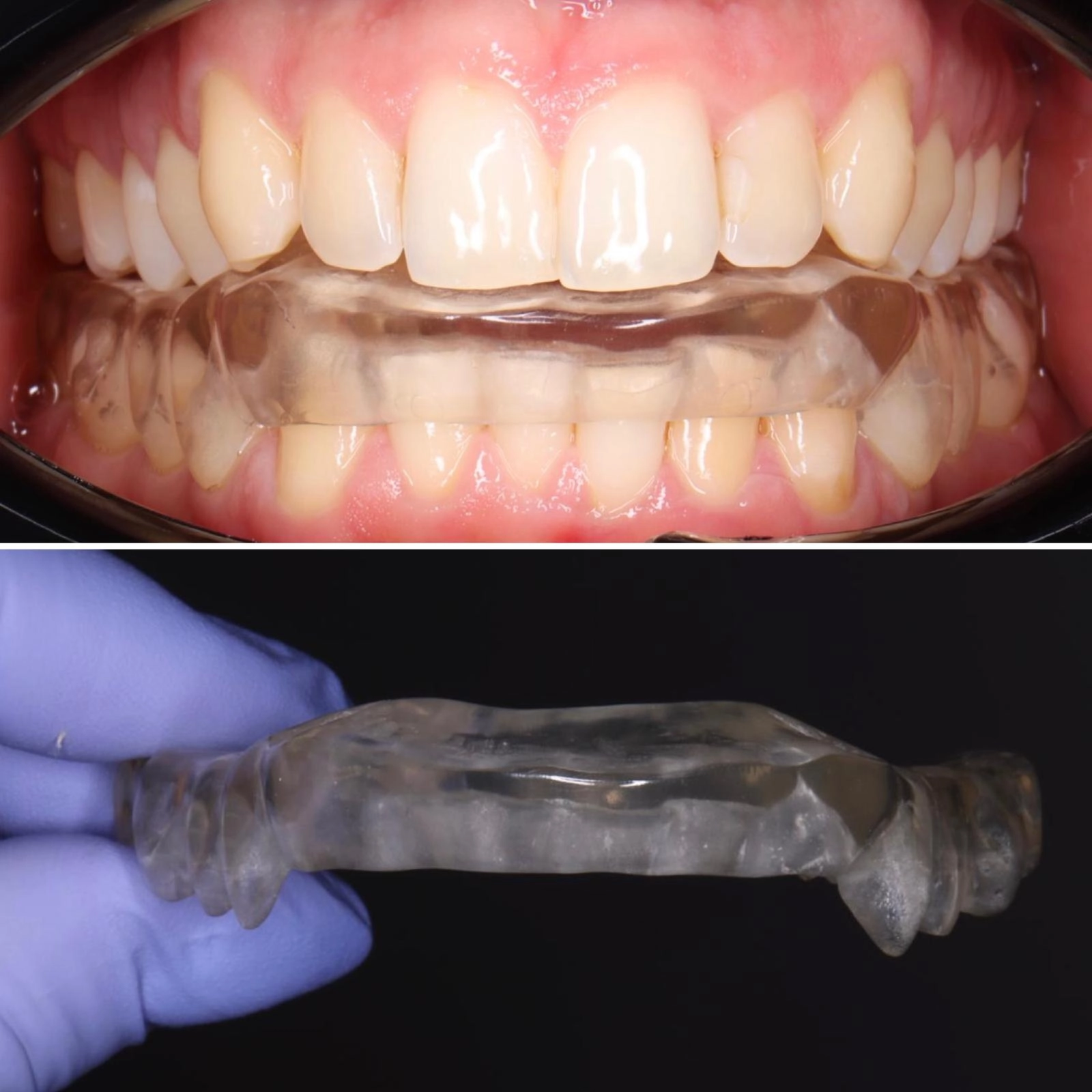
Assessment and treatment of pain, joint clicking and limitations of the temporomandibular joint, restoring comfort and mobility through oral appliances such as splints.
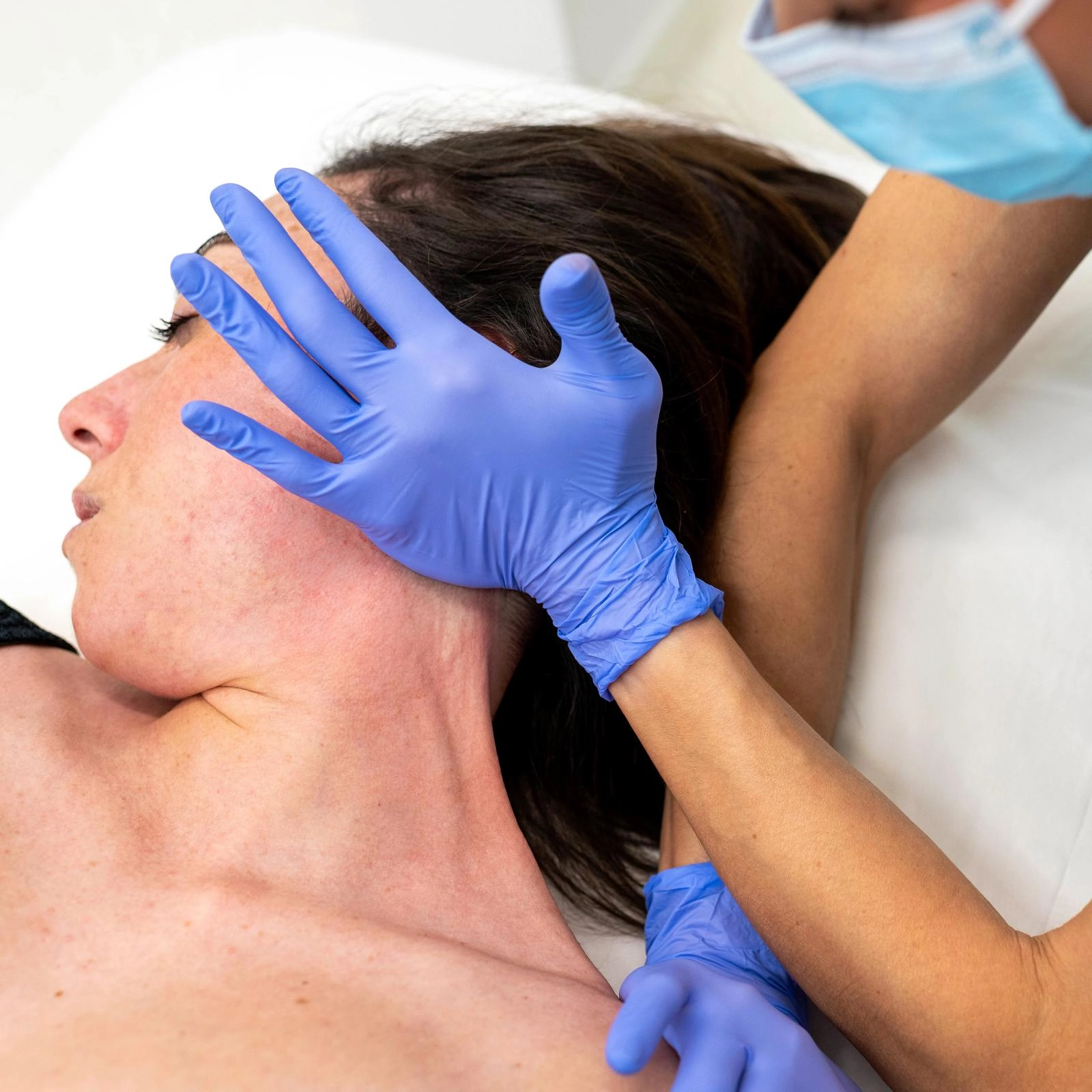
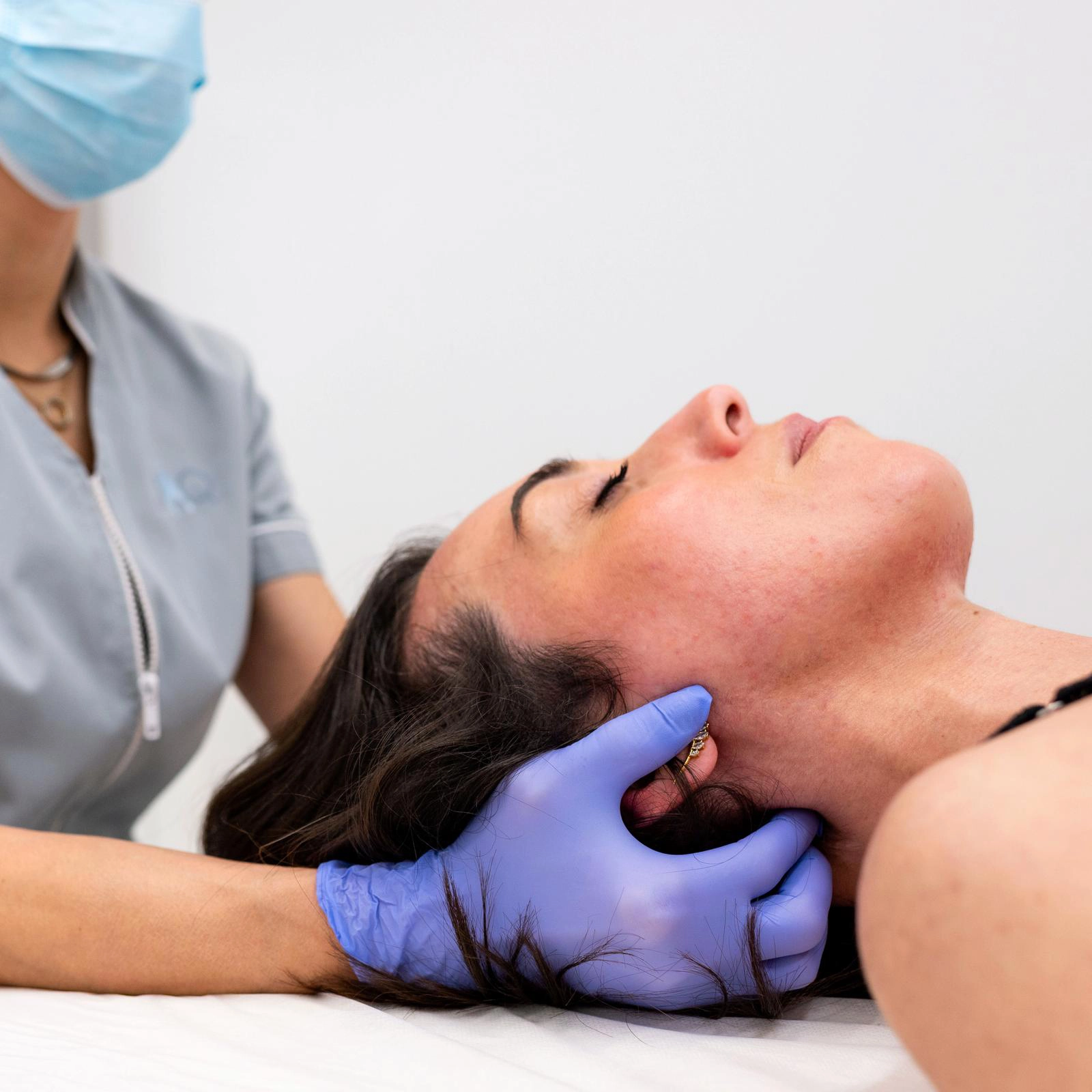
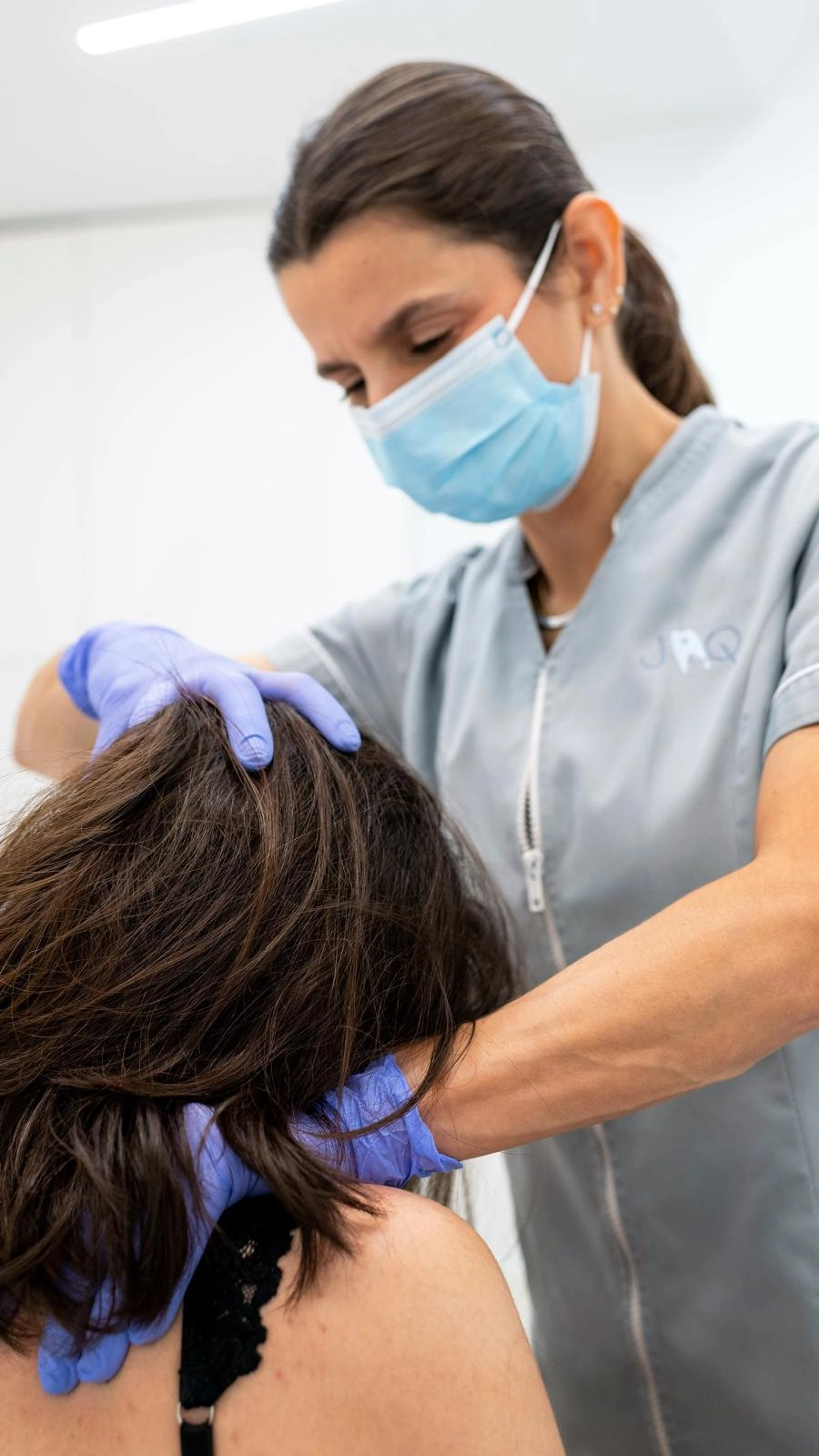
Craniofacial Manual Therapy (Physiotherapy)
Therapies that reduce muscular tension, promote relaxation and support correct positioning of the head and neck structures.
Snoring & OSA Screening
Identification of the causes of snoring and implementation of targeted therapies to improve breathing during sleep, or referral to other medical specialties when necessary.
Obstructive Sleep Apnoea Syndrome (OSA)
A clinical approach aimed at reducing airway collapse, improving oxygenation and promoting restorative sleep.
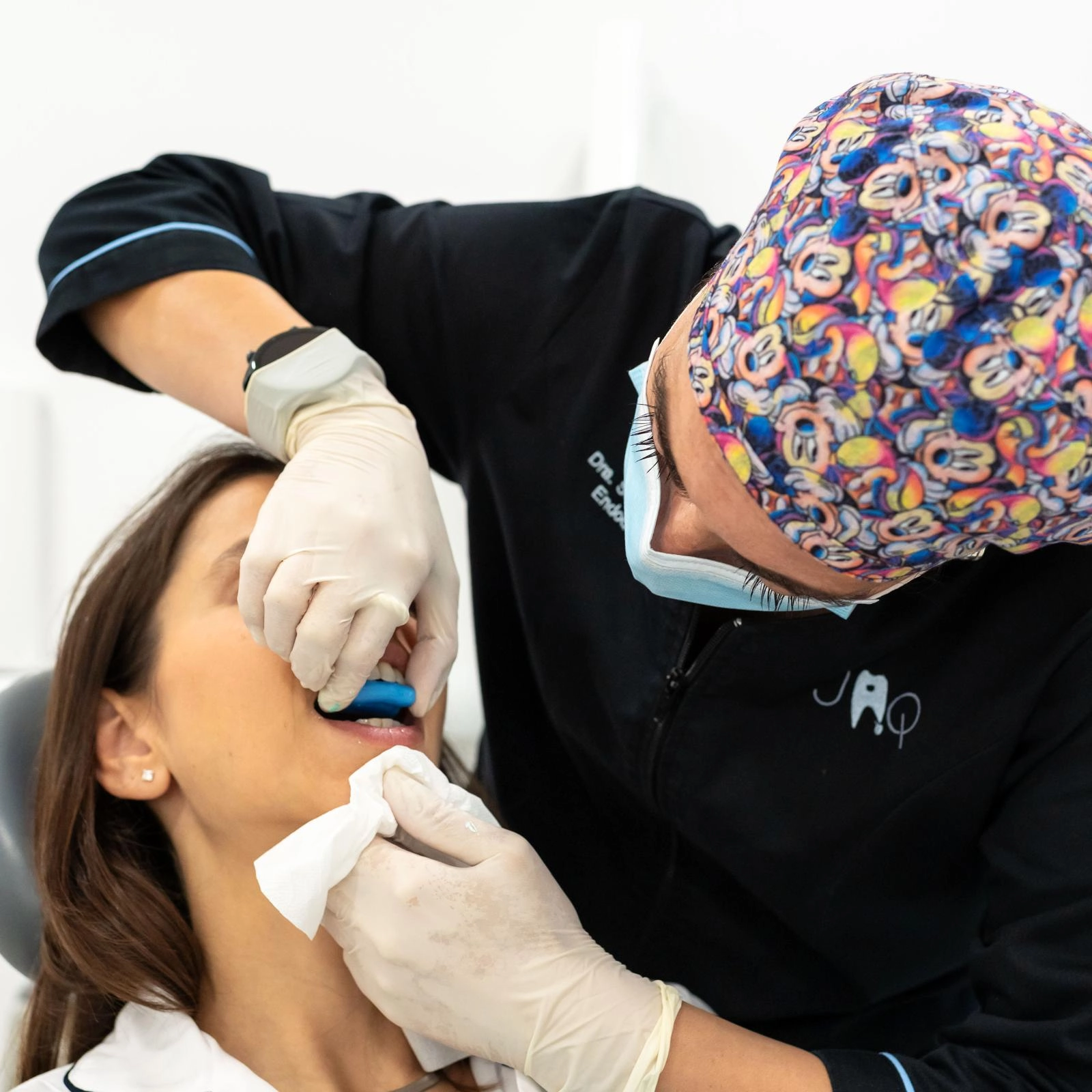
Intraoral Devices
Custom-made devices that gently advance the mandible, opening the airway and reducing snoring and sleep apnoea.
Myofunctional Therapy for Sleep
Exercises and techniques that train the tongue, lips and muscles to improve breathing, posture and overall function.
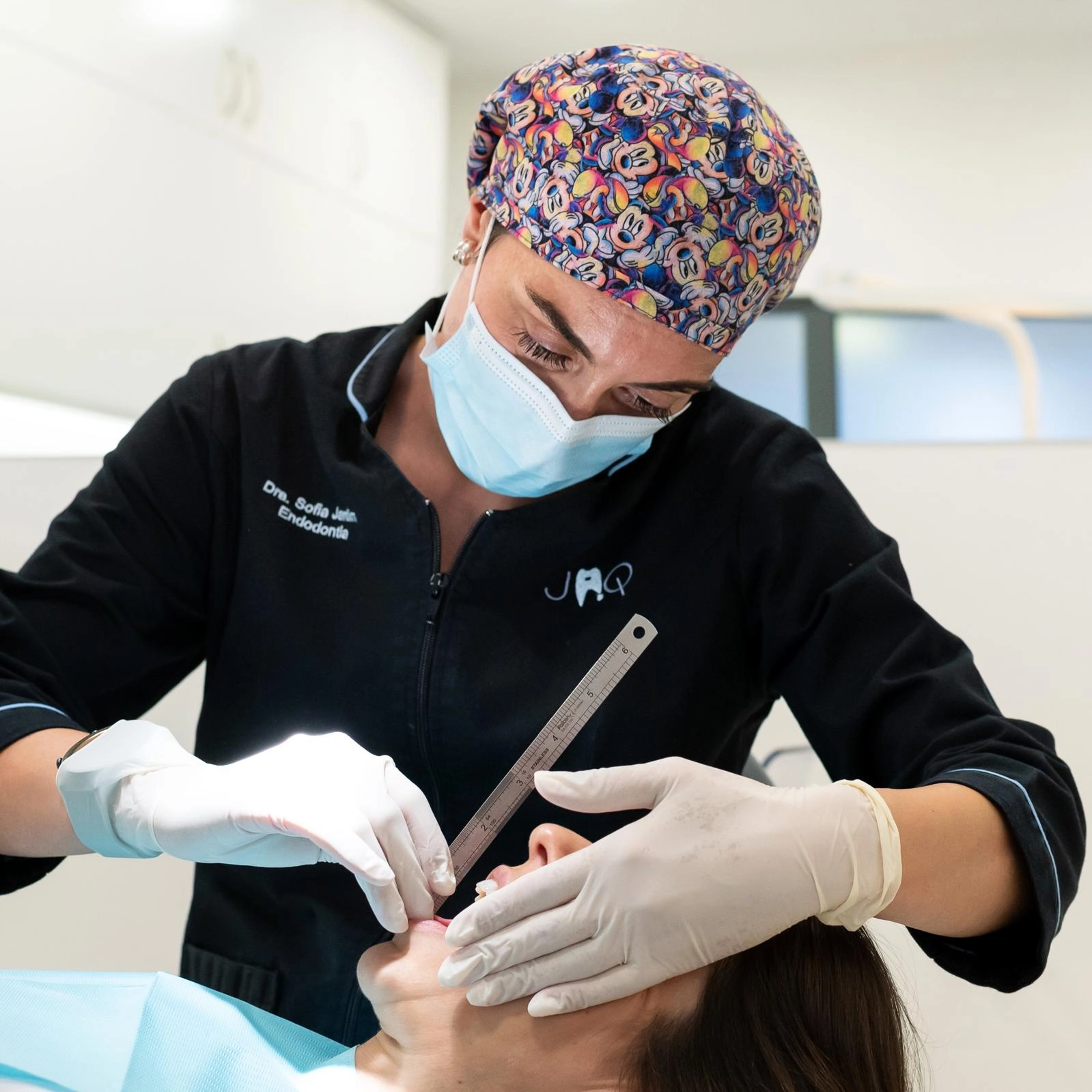
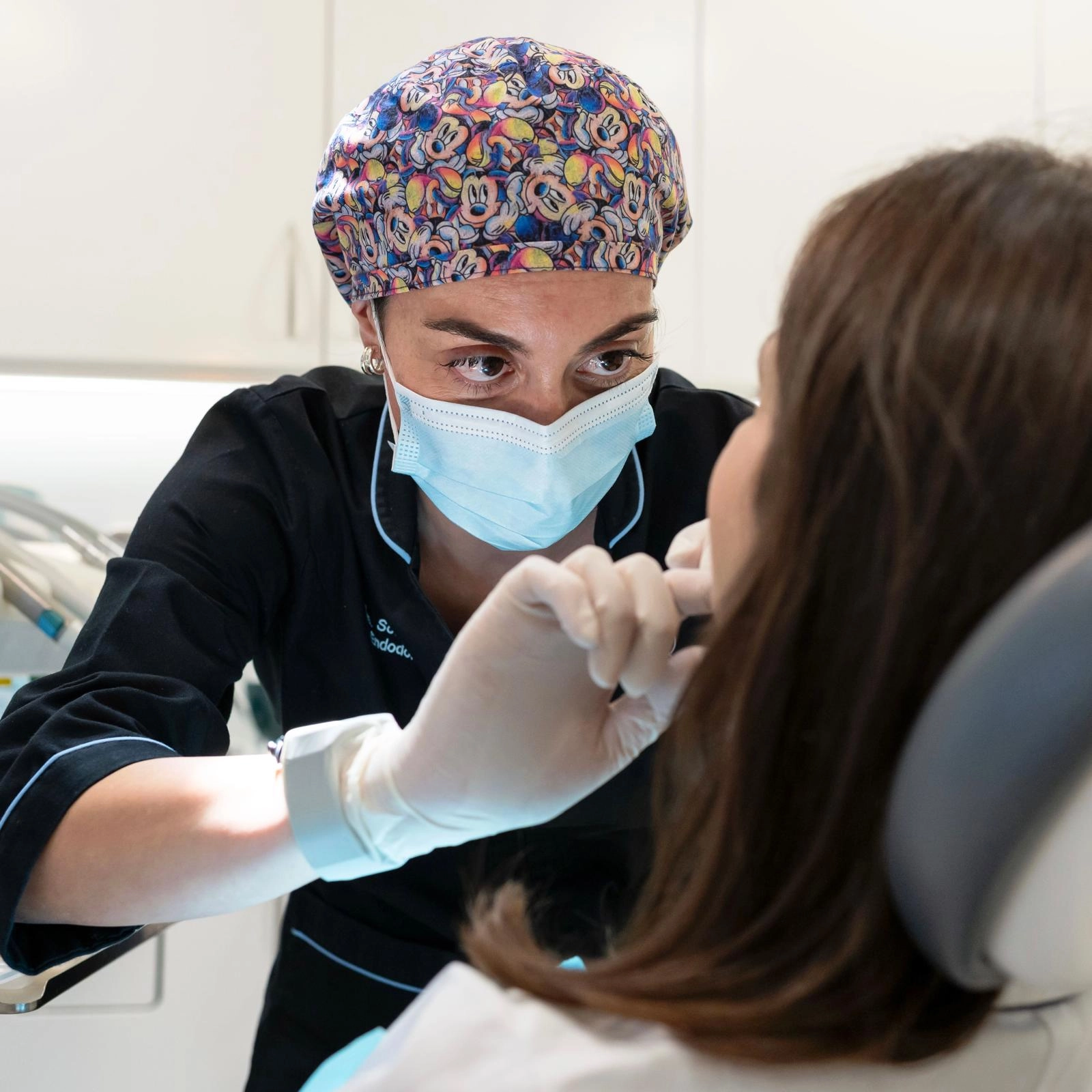
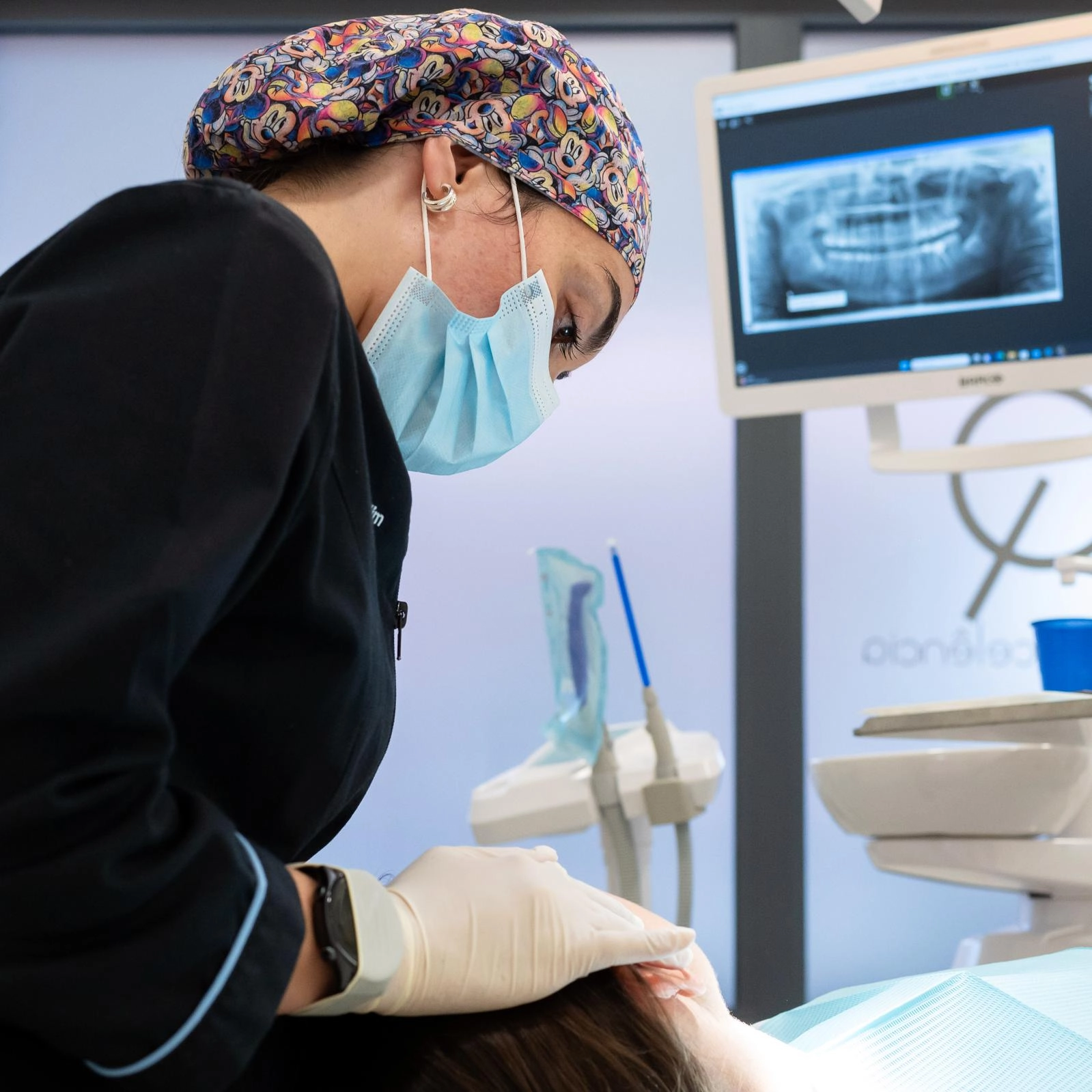
A selection of images showcasing our diagnostic approach, preventive care and natural results achieved through integrated treatment.
Here are some quick answers to help clarify your questions and prepare you for your visit.
Symptoms such as jaw pain, clicking or popping sounds, pressure, difficulty opening the mouth or frequent headaches may indicate Temporomandibular Disorders (TMD).
Yes — snoring is often caused by airway narrowing and can be treated with intraoral devices or targeted therapeutic approaches.
Yes. Sleep apnoea can affect oxygen levels, energy, concentration and cardiovascular health. Proper diagnosis and treatment are essential.
Yes — bruxism may lead to tooth fractures, sensitivity, muscle pain and problems affecting the temporomandibular joint.
Yes. It helps improve nasal breathing, tongue posture and muscular stability, reducing symptoms associated with snoring and Obstructive Sleep Apnoea (OSA).
Get in touch — we’ll be happy to help.
Book your appointment and discover the ideal approach to improve breathing, muscular balance and daily wellbeing.