
What are impacted teeth?
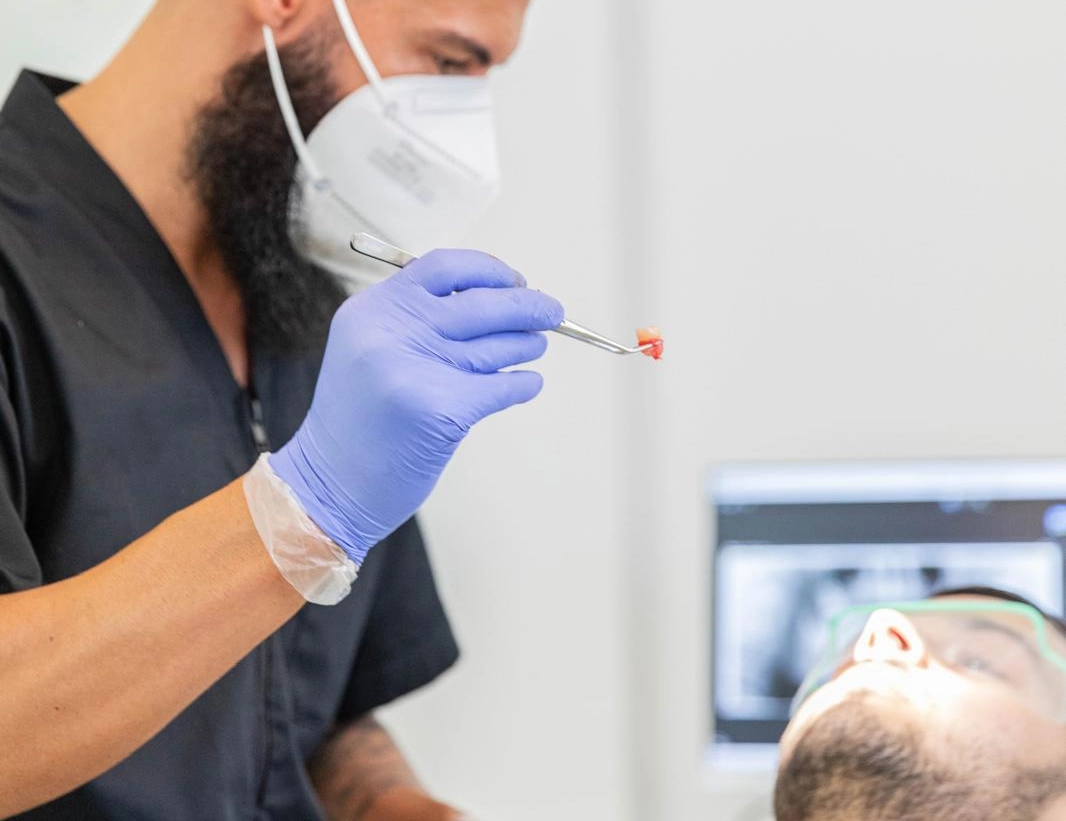
Impacted teeth are teeth that fail to erupt into the oral cavity at the expected time, remaining partially or completely trapped within the bone or beneath the gum tissue.
The most common impacted teeth are wisdom teeth (third molars), but impaction can also occur in canines and, less frequently, in other teeth.
Why does a tooth become impacted?
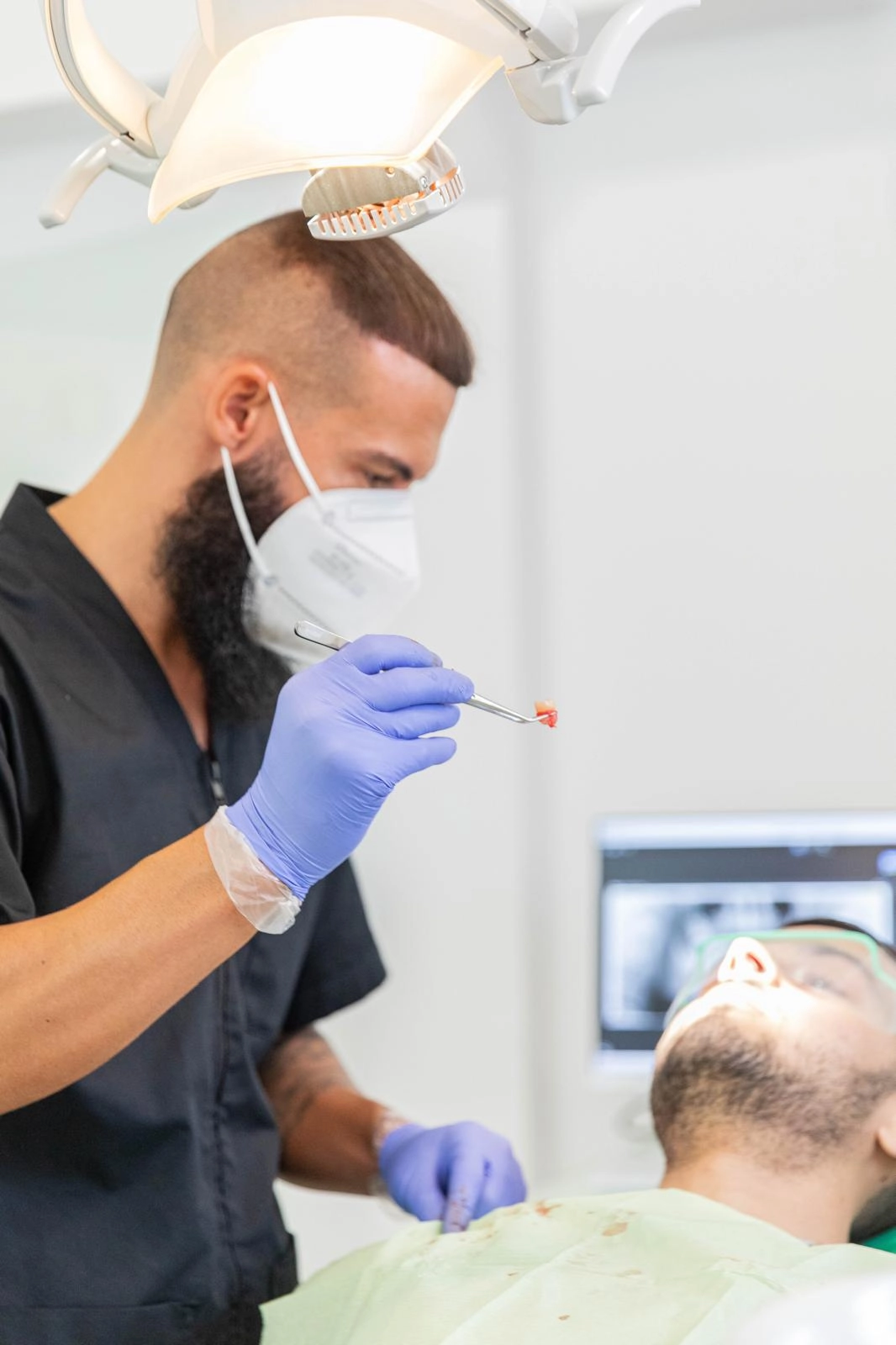
A tooth may fail to erupt properly due to:
- Lack of space in the dental arch
- Incorrect position or angulation of the tooth
- Presence of other teeth or physical obstructions
- Alterations in bone growth or development
What problems can impacted teeth cause?
Impacted teeth may remain asymptomatic, but in many cases they can lead to:
- Pain or discomfort
- Gum infection (pericoronitis)
- Swelling and bad breath
- Cavities in neighbouring teeth
- Resorption of the roots of adjacent teeth
- Formation of cysts
How is the diagnosis made?
Diagnosis is carried out through:
- Clinical examination by the dentist
- Panoramic or periapical X-rays
- In some cases, CBCT (cone beam computed tomography) fora more detailed assessment
When issurgery necessary?
Surgical removal is recommended when the impacted tooth:
- Causes pain or recurrent infections
- Is associated with lesions
- May damage adjacent teeth
- Interferes with orthodontic treatment
- Poses a risk of future complications
How isthe surgery performed?
The procedure is carried out:
- Under local anaesthesia
- In a safe and controlled manner
- With variable duration, depending on the tooth's position
During the procedure, the dentist may:
- Make asmall incision in the gum
- Remove a portion of the surrounding bone
- Section the tooth to facilitate removal
What to expect after surgery?
It is normal to experience:
- Swelling
- Mild to moderate pain
- Minor bleeding during the first few hours
These symptoms usually improve with the prescribed medication and recommended aftercare.
Post-surgical care
- Apply ice packs during the first 24 hours
- Take medication as prescribed
- Avoid physical exertion
- Do not smoke
- Maintain good oral hygiene

You’ve read. You understand. Now take care of your smile.
If this topic matters to you, book a consultation and speak with our team with time, clarity and clinical rigour.
Endodontics: Preserving your natural tooth

Modern Orthodontics: Beyond Straightening Teeth
