

Modern Orthodontics: Beyond Straightening Teeth
Orthodontics is the dental specialty responsible for diagnosing, preventing, and correcting irregularities in tooth position and dental arches. While many people seek treatment to improve the aesthetics of their smile, orthodontics also plays a fundamental role in chewing function, oral health, and bite stability.
Currently, there are two main approaches to orthodontic treatment: conventional orthodontics, using fixed braces, and orthodontics with clear aligners. Both can achieve excellent results when appropriately indicated.
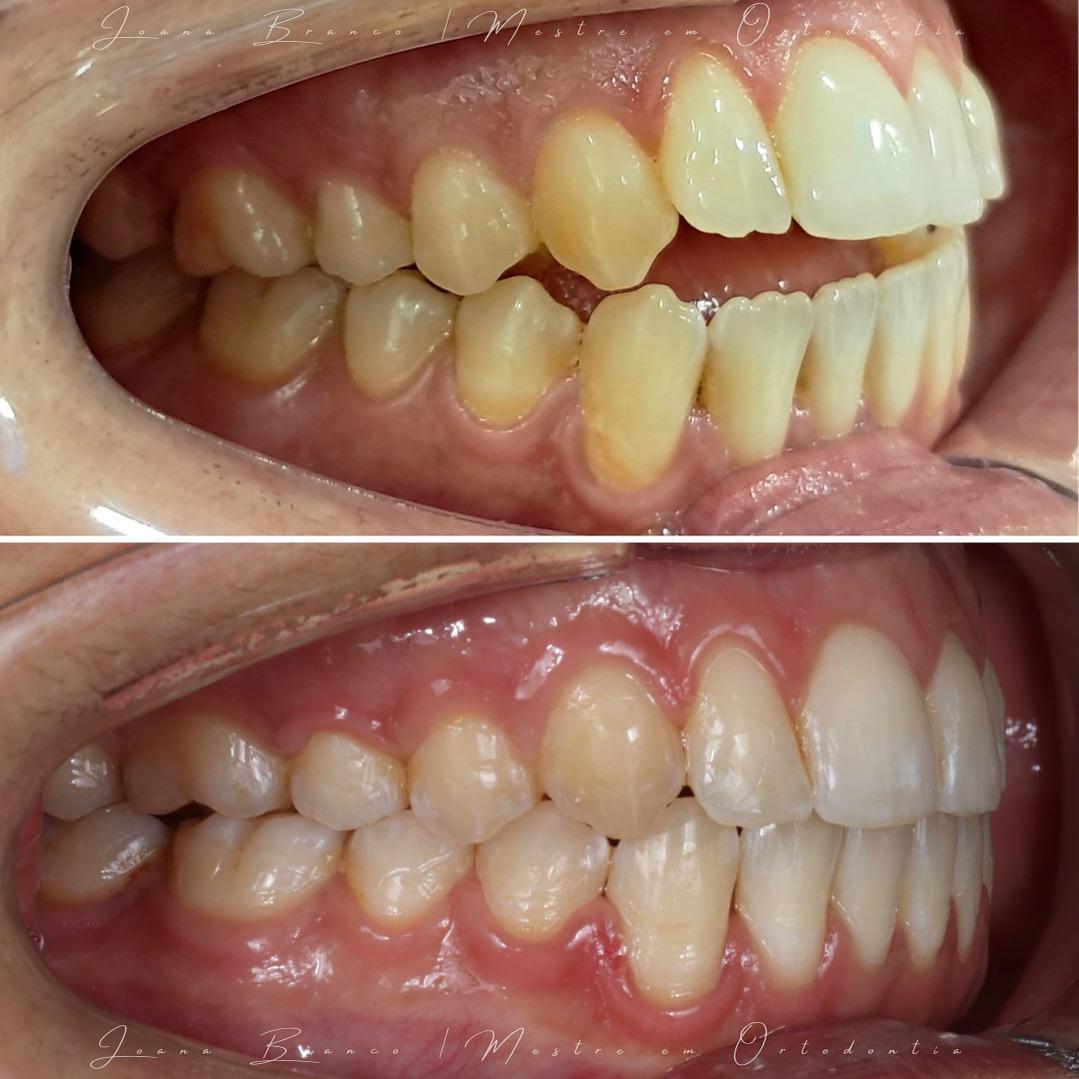
Conventional Orthodontics or Clear Aligners?
Fixed braces remain a highly effective solution for treating both simple and complex orthodontic cases. Through brackets and archwires, it's possible to control tooth movements with high precision.
On the other hand, clear aligners offer a more discreet and comfortable alternative. As they are removable, they make daily oral hygiene easier and allow patients to maintain their normal routine with minimal disruption. Thanks to digital treatment planning, clear aligners can now successfully treat a wide range of orthodontic conditions, provided patients follow the recommended wear schedule.
The choice between these two options always depends on a careful clinical evaluation and the specific needs of each individual.
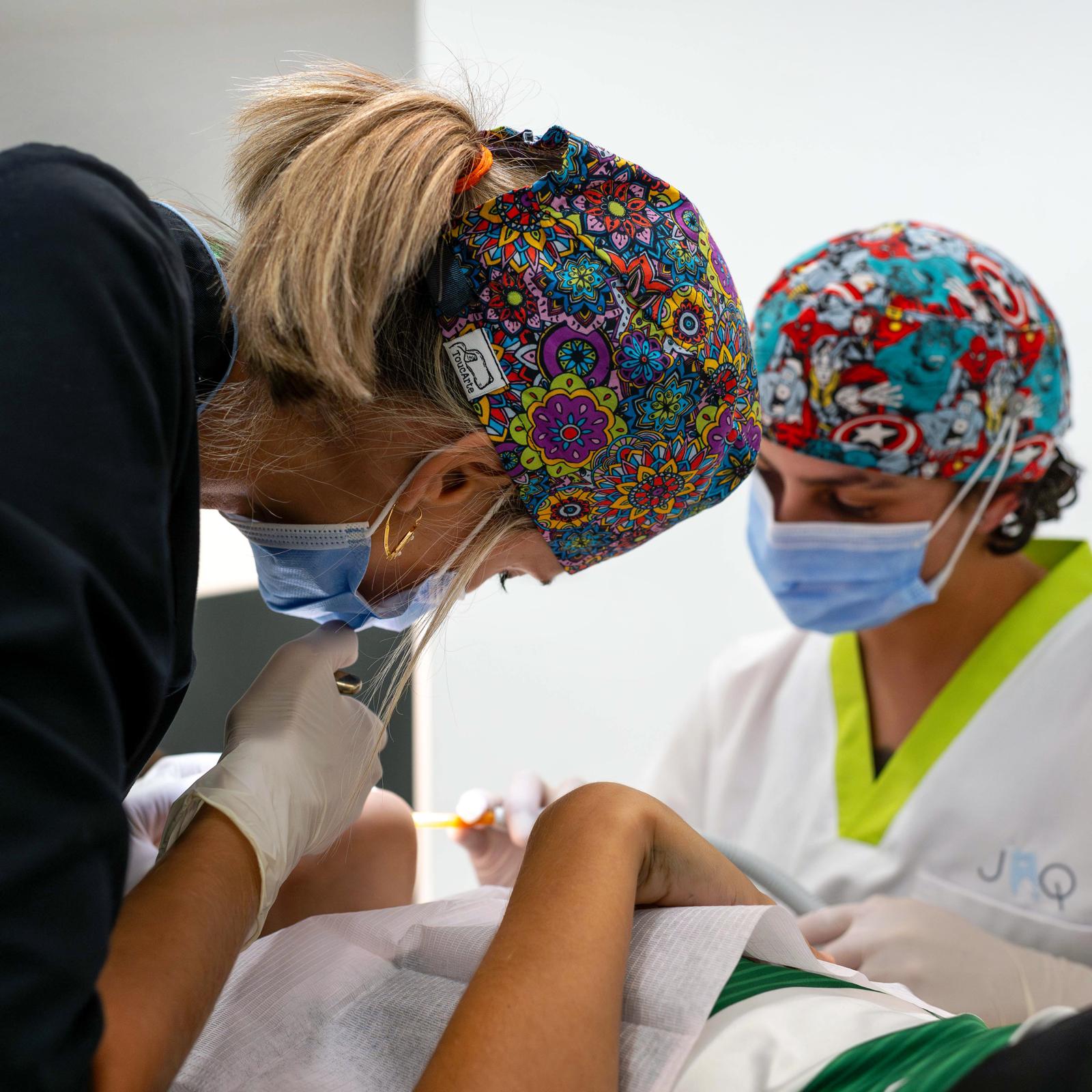
The Role of Auxiliary Mechanics
Regardless of the technique used, successful orthodontic outcomes do not depend solely on braces or aligners. In many cases, additional orthodontic mechanics are required to achieve tooth movement in a more predictable and efficient way.
Among the most commonly used are intermaxillary elastics, which help correct the relationship between the upper and lower arches, and attachments used with aligners, which increase the effectiveness of certain movements. In specific cases, orthodontic mini-implants may also be used, functioning as temporary anchorage devices and enabling movements that were previously more difficult to achieve.
These auxiliary mechanics are an integral part of modern orthodontics and allow increasingly complex cases to be treated with greater precision, efficiency and long-term stability.
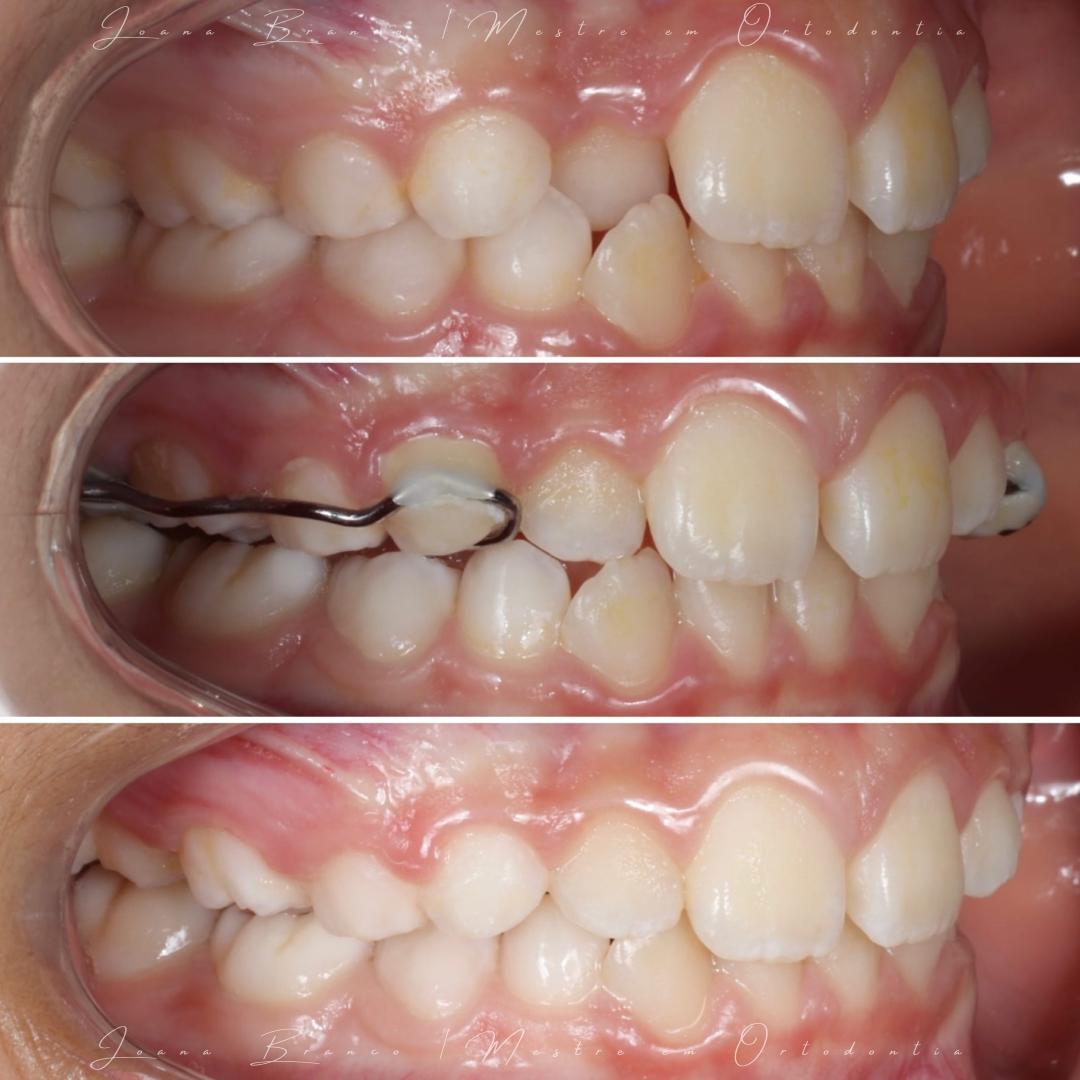
A Personalized Treatment Plan
Every smile is unique, which is why orthodontic treatment should always be tailored to the individual. A comprehensive diagnosis and careful treatment planning are essential to selecting the most appropriate technique and defining the best approach for each patient.
More than simply straightening teeth, orthodontics aims to achieve a balanced bite, improve oral function and provide stable, long-lasting results.
Modern orthodontics combines clinical expertise, advanced technology and careful biomechanical planning to create healthy, functional and naturally harmonious smiles.

You’ve read. You understand. Now take care of your smile.
If this topic matters to you, book a consultation and speak with our team with time, clarity and clinical rigour.
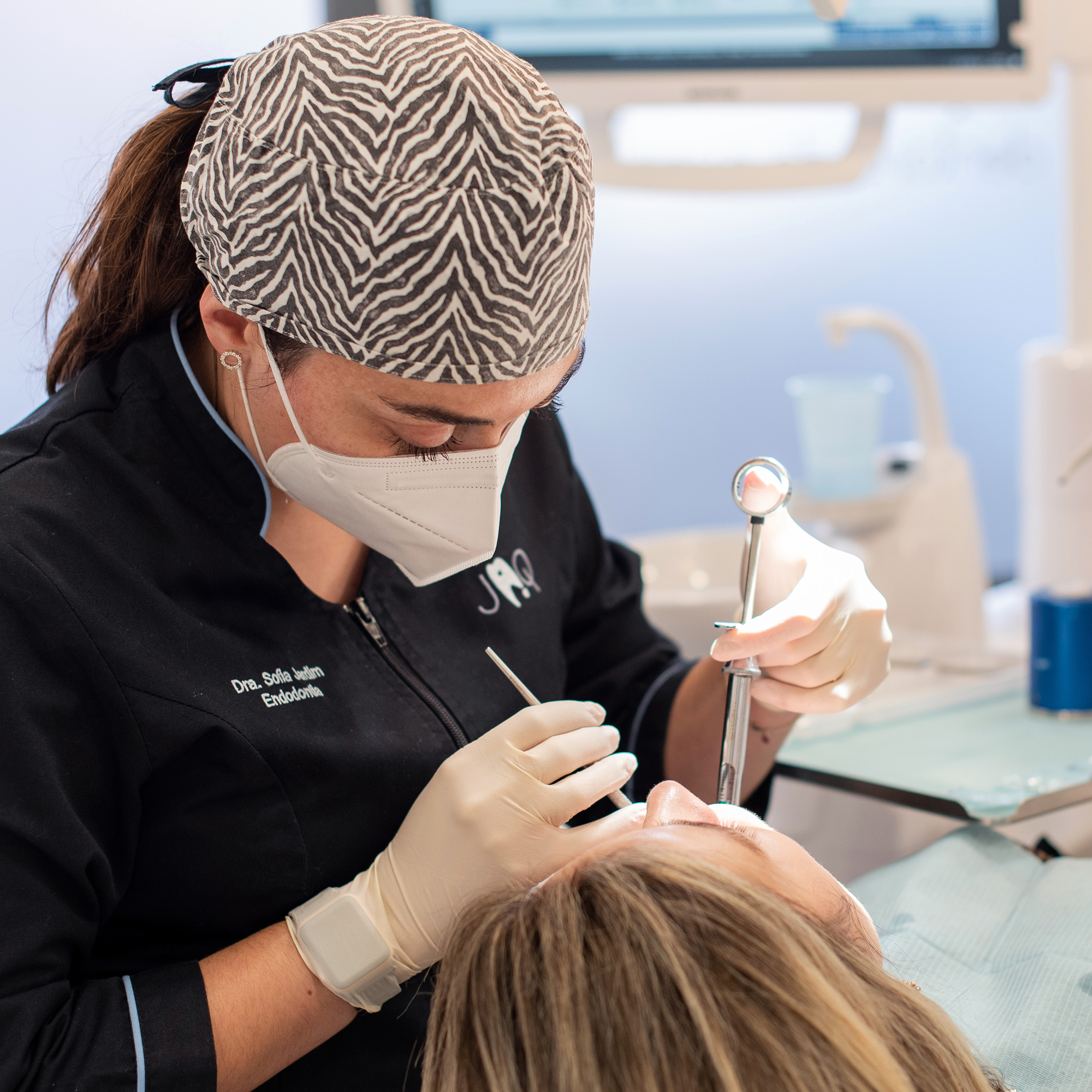
Endodontics: Preserving your natural tooth

Orthodontics: treatment and benefits
