

What is endodontics?
Endodontics is the branch of dentistry dedicated to the diagnosis, prevention, and treatment of diseases or injuries affecting the dental pulp and the tissues surrounding the tooth root.
The dental pulp is located inside the tooth and consists of connective tissue, blood vessels, and nerve fibers. When it becomes irreversibly inflamed, infected, or loses its vitality (necrosis), an endodontic treatment, commonly known as a root canal, may be required.
The aim of this treatment is to remove the inflamed or infected tissue, disinfect the root canal system and seal the inside of the tooth, allowing the natural tooth to be preserved whenever possible, while remaining symptom-free and fully functional.
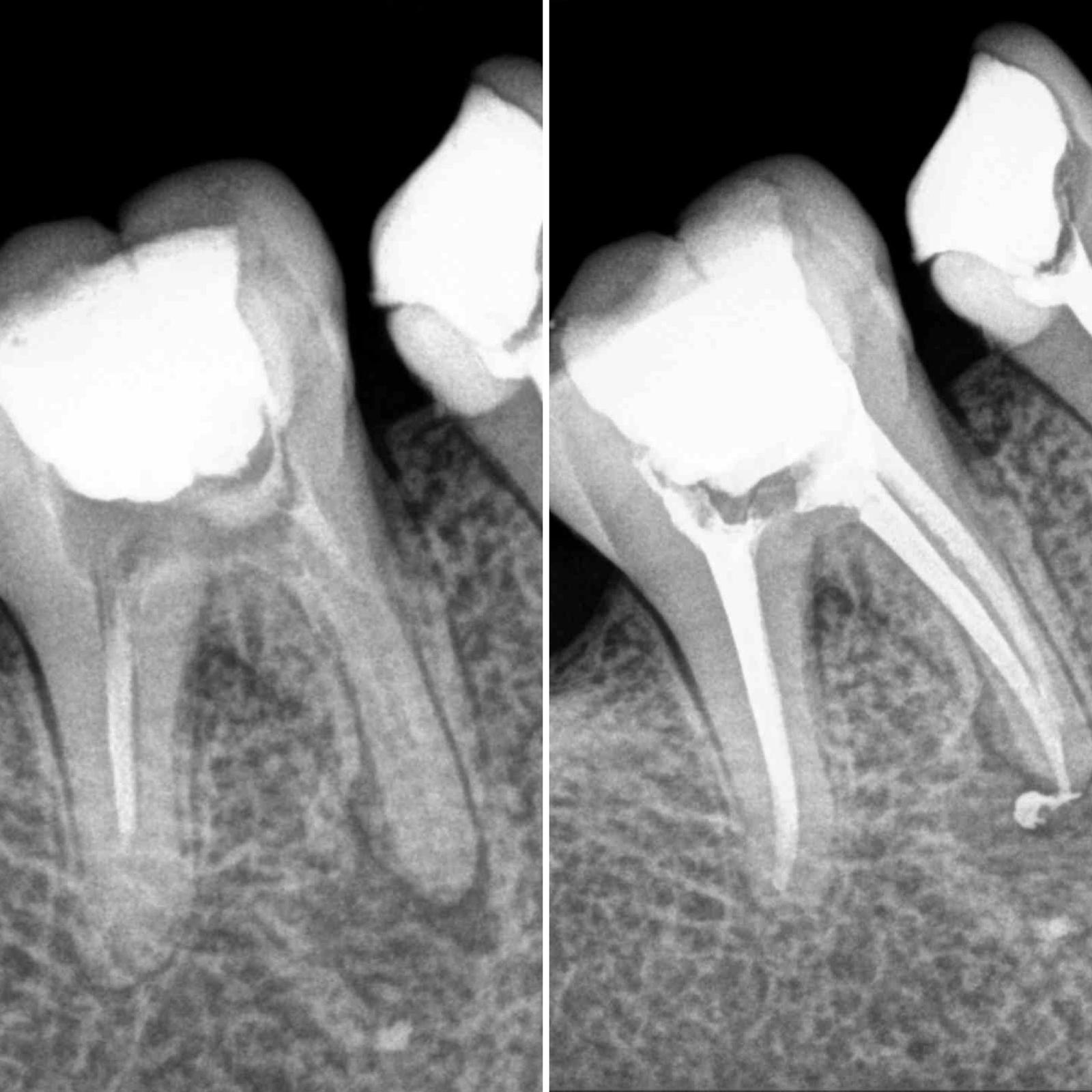
When might endodontic treatment be necessary?
Endodontic treatment may be recommended in several situations, including:
- Deep tooth decay;
- Cracked or fractured teeth;
- Dental trauma, even when there is no visible fracture;
- Defective or failing restorations;
- Repeated procedures on the same tooth;
- Infections affecting the root of the tooth;
- Previous endodontic treatments with complications.
What are the main signs and symptoms?
Pain is not always present. However, the following sings and symptoms assessment by a dentist is required:
- Severe or spontaneous toothache;
- Throbbing pain or pain that makes it difficult to sleep;
- Pain when chewing or touching the tooth;
- Increased sensitivity to hot or cold;
- A feeling that the tooth is "higher" than the others;
- Swelling or tenderness of the gums around the tooth;
- Appearance of a fistula on the gums, with pus drainage;
- Discoloration of the tooth;
- Tooth fracture or crack;
- Persistent bad taste in the mouth;
- Facial or jaw swelling;
- Significant radiographic changes.
How is the diagnosis made?
The diagnosis is made by the dentist and tailored to each clinical situation.
It includes:
- Clinical observation;
- Assessment of pain and symptoms;
- Dental X-rays and other diagnostic imaging;
- Analysis of medical history and personal background;
- Performance of specific clinical tests.
What does endodontic treatment involve?
The treatment is performed under local anesthesia with absolute isolation to keep the work area clean, dry, and protected.
Next, a small access point is created into the tooth to carefully remove inflamed, infected, or necrotic tissue. After the root canal system is cleaned and disinfected, it is sealed to prevent the entry and proliferation of new bacteria.
Is root canal treatment painful?
Nowadays, with proper local anesthesia, the procedure is generally painless.
After the appointment, it is normal to experience some sensitivity to touch or while chewing for the next few days, which tends to gradually subside.
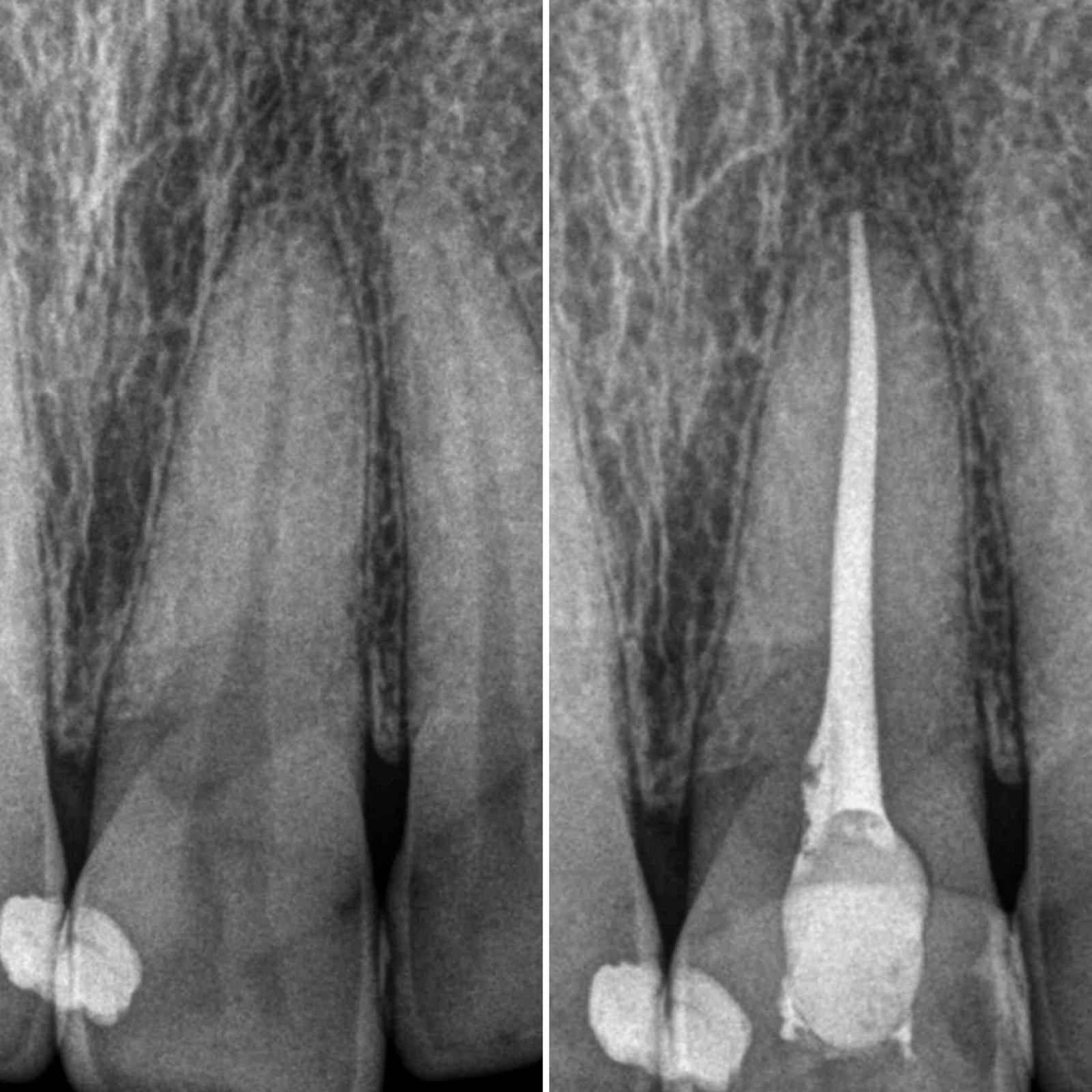
How long does the treatment take?
The duration depends on several factors, including the complexity of the tooth, the clinical situation, and the individual characteristics of each patient.
For this reason, the treatment may be completed in a single session or require multiple appointments.
What is the prognosis?
Endodontic treatment eliminates infection, relieves symptoms, and preserves a tooth that might otherwise need to be extracted.
However, the success of the treatment depends on several factors, including:
- The quality of the final restoration;
- The patient's oral hygiene;
- Adherence to follow-up appointments;
- The overall condition of the tooth and supporting tissues.
When should you see a dentist?
Persistent pain, intense sensitivity, swelling, or changes in your gums should never be ignored.
An early assessment allows for a timely diagnosis, simplifies treatment, and increases the likelihood of saving your natural tooth.
Are you experiencing pain or sensitivity in a tooth?
Schedule an assessment with our team. An early diagnosis can make all the difference in saving your natural tooth.

You’ve read. You understand. Now take care of your smile.
If this topic matters to you, book a consultation and speak with our team with time, clarity and clinical rigour.

Modern Orthodontics: Beyond Straightening Teeth

Orthodontics: treatment and benefits
